
How Pool Tables Are Made
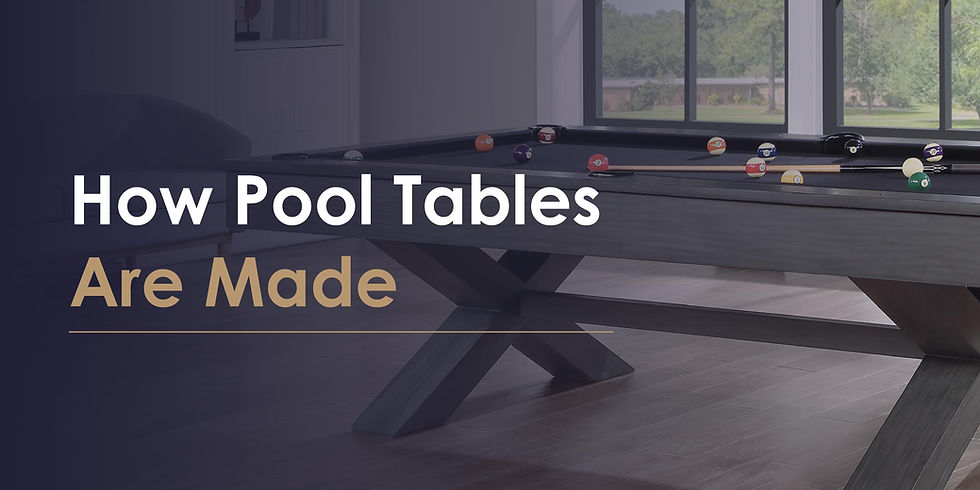
Pool tables, whether found in a bustling billiard hall or nestled in a cozy home, are marvels of design and craftsmanship. They are more than furniture; they are symbols of fun and skill. They gather people together for competition and enjoyment. Each table is a blend of select materials, engineering, and artistic design that provides endless entertainment. But have you ever wondered what goes into making these iconic game tables? In this article, we will look at how pool tables are made. We’ll start with choosing materials and finish with the final details. We will also discover what makes pool tables so appealing.
Understanding the Core Components
A pool table — often referred to in the U.S. as a billiard table — is a piece of furniture with a flat playing surface covered in cloth and bordered by hard cushions. While “billiard table” can technically refer to any cue sport table (including carom or snooker), in everyday American usage, the terms are used interchangeably to describe pool tables. These tables are designed to provide a consistent and dependable playing experience and come in various styles and sizes. You can find smaller tables for casual play or larger ones for professional games, and many can be customized with different cloth colors and materials.
Main Components of a Pool Table
Before diving into the manufacturing process, it's essential to understand the main components of a pool table, each contributing to the table's overall performance and aesthetic appeal:
Slate: This is the flat rock surface that lies beneath the cloth, providing a level playing field. Slate is preferred for its durability and smoothness, ensuring that the balls roll true and consistently.
Frame: The wooden structure that supports the slate and houses the pockets. It must be robust enough to support the weight of the slate and withstand the rigors of gameplay.
Cushions: These rubber parts, located on the edges of the pool table rails, help the balls bounce predictably. They are crucial for maintaining the game's dynamics.
Cloth: The cloth covering the slate, which can come in various colors, such as traditional green or even pink. The cloth affects the speed and control of the ball, adding another layer of complexity to the game.
Understanding these components helps players appreciate the intricate craftsmanship involved in producing a pool table. Each part is carefully designed and meticulously crafted to ensure the table not only performs well but also stands the test of time.
The Importance of Slate
Slate is a crucial component of a high-quality pool table. It is a metamorphic rock that can be cut and polished to create a nearly perfectly level surface. The thickness of the slate can vary, but most pool tables often use one-inch-thick slate for optimal play. This thickness strikes the necessary balance between practicality, durability, and playability, enabling a smooth and consistent game.
Slate pool tables are favored for their durability and superior playability. Unlike alternative materials, slate does not warp over time, ensuring that the table remains level and true. Non-slate tables are available, but they don't offer the same level of performance, often leading to uneven gameplay and reduced longevity.
Factors such as the source of the slate and the precision of the cut can also influence the cost. Imported slates from renowned quarries may command higher prices due to their reputation for quality. Ultimately, the choice of slate impacts not only the table's price but also its long-term value and enjoyment.
A slate pool table typically weighs between 750 and 1,000 pounds, depending on its size and the thickness of the slate. This weight contributes to the table's stability and durability, preventing unwanted movement during play. The substantial weight of the slate necessitates careful handling and precise installation, often requiring professional assistance.
This heaviness ensures that the table remains firmly in place, even during intense games, providing a consistent playing experience. The substantial weight also underscores the need for a strong and well-constructed frame, capable of supporting the slate without sagging or shifting over time.
Pool Table Frame or Cabinet
The frame of a pool table is typically made from hardwoods, such as ash, oak, maple, or poplar. These woods provide the necessary strength to support the slate and withstand the force of gameplay. The wooden pool table frame is meticulously constructed to ensure it remains stable over time, resisting the stress and strain of frequent use.
The choice of wood also significantly influences the table's aesthetic appeal, as different grains and finishes offer a range of distinct looks. In addition to their strength, these hardwoods are selected for their beauty, allowing the table to serve as a centerpiece in any room. The craftsmanship involved in constructing the frame is a testament to the skill and dedication of the artisans who build each table.
Cloth and Cushions
The cushions, made of high-quality rubber, line the inside edges of the pool table rails, allowing the balls to bounce predictably. The quality of the cushion rubber affects the consistency and accuracy of the bounce, which is vital for quality play. The cloth, often made of wool or a wool-nylon blend, covers the slate and provides a smooth surface for the balls to roll, influencing the speed and control of the game.
The selection of cloth can also reflect personal preferences, with a variety of colors and textures available. The right combination of cushions and cloth ensures that the table plays smoothly and predictably, enhancing the overall gaming experience. These elements are integral to maintaining the table's performance over time, requiring careful installation and maintenance.
The Manufacturing Process
Every pool table begins with a design phase, where the dimensions, materials, and aesthetics are carefully determined. This stage involves striking a balance between functionality and style, ensuring the table meets both practical needs and visual preferences. Modern pool tables often feature sleek designs and innovative materials, while traditional tables retain classic styles, appealing to a diverse range of tastes and settings.
This phase sets the foundation for the entire manufacturing process, dictating the subsequent steps and ensuring the final product aligns with the initial vision.
Installing the Pool Table
Constructing the Frame
Pool table construction begins with the wooden frame. The installers must first assemble and level the frame of the table. The frame can also be referred to as the cabinet or base of the table. The frame supports the slate, so the installer focuses on building the frame and ensuring it is as level as possible by using a digital, bubble, or machinist level. This step is crucial because the slate will only be as true as the base beneath it.
Positioning the Slate
Most home pool tables use 3-piece, 1” slate. Once the frame is built and leveled, installers will place the 3 pieces of slate across the frame, often starting with the center slate first. Installers then align the seams together along with the frame of the table.
Securing the Slate to the Frame
Each of the three slate pieces is then attached to the frame with screws driven through pre-drilled holes in the slate and into the wooden backing or frame. This helps stabilize the slate onto the pool table’s frame.
Leveling the Slate
Installers use shims or wedges between the slate and the frame of the table to fine-tune the levelness across the entire playfield surface. The installers check the level in multiple directions and locations to ensure the seams are perfectly flush.
Sealing the Seams of the Slate
Once the slate is level, the seams between the three pieces of slate are often filled with a material like beeswax, filler, or Bondo. The filler is spread evenly, then sanded smooth to create a seamless playing surface. This ensures that the balls roll smoothly without any interference or inconsistency during gameplay.
Covering the Slate with Cloth
Once the slate’s surface is smooth and clean, installers stretch and staple the cloth tightly over the slate. The cloth is carefully aligned and tensioned to avoid wrinkles, ensuring consistent ball roll.
Attaching the Rails and Pockets to the Pool Table Frame
After the cloth is successfully installed, the final step is to attach the rails and pockets to the pool table frame. Typically, the installer will build the rail and pocket structure on the ground to ensure they have good alignment and are flush with each other. Then, the rail and pocket system will be flipped onto the pool table, with the installer aligning the bolt holes carefully with threaded inserts into the slate and frame. The installer should then check the spacing, alignment, and pocket openings on the table to ensure everything is symmetrical. Once completed, the final step is to tighten each rail bolt gradually in a cross-pattern to ensure even pressure is applied. The table should now be complete!
Customization and Final Touches
Pool tables can be customized to suit personal tastes and match the decor of any room. Options include:
Cloth Colors: While green was always a popular color in the past, earth tones like tans, greys, wines, and even black have become extremely popular as pool tables have started to align with modern furniture and home décor trends. These choices can reflect personal style or complement the existing decor, making the table a central feature of the room.
Table-Tops: Some tables come with a hard-cover or dining table top, allowing them to double as dining or conference tables. This versatility adds value, making the pool table a multifunctional piece that can adapt to various needs and occasions.
Accessory Kits: Accessory kits are often included with pool table purchases. These accessory kits vary in size and price but should always include staple items like cues, a ball set, and racks, to ensure you can play the game right after the table is installed in your home.

The Enduring Craftsmanship
Pool tables are a blend of artistry and engineering, with each component playing a vital role in the table's performance and aesthetics. The combination of materials, craftsmanship, and design yields a piece that is both functional and aesthetically pleasing.
From the sturdy wooden frame to the finely machined slate and vibrant cloth, every detail is carefully crafted to create a table that is both beautiful and functional. Whether you're a casual player or a seasoned pro, understanding the craftsmanship behind pool tables enhances the appreciation of this timeless game.
By knowing what pool tables are made of and the meticulous process involved, you can better understand the value of these magnificent pieces of craftsmanship. Their creation involves a synergy of tradition and innovation, resulting in a product that stands the test of time. So, next time you play a game of billiards, take a moment to appreciate the intricate work that goes into creating the table before you. Recognizing the skill and dedication involved deepens the connection to the game, enhancing the enjoyment of each shot.
Sign up for our newsletter to be the first to hear about new products, sales & promotions, and more!


Comments